
Views: 0 Author: Site Editor Publish Time: 2026-08-07 Origin: Site
Parents constantly seek the best ways to protect infants from unseen germs. You naturally want to eliminate harmful bacteria during every single diaper change. This instinct often causes deep confusion when evaluating standard infant cleansing options against powerful sanitizing products. Most commercial cleansing cloths are purposely designed not to be antibacterial at all. We must understand the critical difference between physical germ removal and chemical germ killing. Grasping this basic concept is absolutely essential for protecting a baby’s rapidly developing skin barrier. This guide carefully breaks down exactly how these everyday products actually clean delicate skin. We explain why harsh antibacterial chemicals pose severe risks to vulnerable infants. Finally, you will discover a highly reliable, criteria-based framework for evaluating the safest and most effective options available on the market today. By following these principles, you can confidently navigate the overwhelming choices in the baby care aisle.
Standard baby wipes are not antibacterial; they use water and mild surfactants to physically lift and remove dirt and microbes.
Chemical antibacterial agents (like alcohol or benzalkonium chloride) can disrupt an infant’s delicate skin microbiome and cause severe contact dermatitis.
The effectiveness of a baby wipe depends heavily on fabric thickness, texture, and moisture retention, which dictate its ability to mechanically trap germs rather than just pushing them around.
Parents should segment their purchasing: use high-quality, water-based baby wipes for sensitive skin and diaper changes, and reserve EPA-registered antibacterial wipes strictly for hard surfaces.
The definitive answer is no. Over 95% of commercial cleansing cloths for infants contain zero antibacterial or biocidal active ingredients. They do not kill germs on contact. Instead, manufacturers formulate them specifically for gentle, everyday skin cleansing. You might assume the lack of germ-killing power makes them inferior. However, this intentional design protects infant health.
To understand why, we must look at regulatory classifications. The FDA and the EPA view skin care products and sanitizers entirely differently. The FDA classifies standard Baby Wipes as cosmetic products. Their legal purpose is simply to cleanse the human body. Conversely, the government heavily regulates true antibacterial products. Hand sanitizers classify as over-the-counter drugs under FDA rules. Disinfectants meant for hard surfaces fall under EPA jurisdiction as pesticides. Both require potent, active chemical ingredients to legally claim they kill bacteria.
Product Category | Regulatory Body | Primary Function | Active Chemicals Required? |
|---|---|---|---|
Standard Infant Cloths | FDA (Cosmetics) | Gentle physical removal of soil | No |
Skin Sanitizing Cloths | FDA (OTC Drugs) | Chemical reduction of skin bacteria | Yes (e.g., Benzalkonium Chloride) |
Surface Disinfectants | EPA (Pesticides) | Chemical destruction of pathogens | Yes (e.g., Quats, Bleach) |
Many consumers fall victim to packaging misconceptions. Brands frequently use marketing terms like "pure," "99% water," or "medical-grade." These buzzwords confuse well-meaning parents. A label claiming "pure" indicates the manufacturer excluded harsh chemicals and synthetic fragrances. It does not mean the product contains hidden germ-killing agents. Recognizing this distinction empowers you to make smarter, safer purchasing decisions.
If these products do not kill bacteria, how do they keep infants clean? The secret lies in the science of mechanical friction. A high-quality cloth works much like a microscopic mop. Pure water alone cannot wash away oily diaper messes or sticky residue. Water has high surface tension. It tends to bead up rather than penetrate grime. To solve this, manufacturers add mild surfactants.
Surfactants contain a hydrophilic (water-loving) head and a lipophilic (oil-loving) tail. The tails attach to dirt, oils, and bacteria on the skin. The heads remain attached to the water in the cloth. When you wipe the skin, you physically lift the entire molecular package away. The fabric traps the bacteria. You then throw the fabric in the trash. This mechanical friction safely removes the threat.
Medical professionals broadly agree removing pathogens physically is vastly superior to chemical killing for infant care. Chemical killing destroys the cellular walls of bacteria. However, this process leaves active chemical residues directly on the baby's skin. These residues provoke inflammation. Physical removal sweeps away the bad pathogens while leaving the baby's natural protective flora perfectly intact.
The success of physical removal relies heavily on substrate quality. Substrate refers to the actual fabric material. Material density dictates cleaning efficiency. Industry experts measure this density in Grams per Square Meter (GSM). A thin, flimsy cloth will simply smear bacteria across the skin. A thick, highly porous cloth actively traps microbial matter.
Spunlace Nonwoven: This material offers high absorbency and softness. It aggressively grabs particulate matter without scratching.
Embossed Textures: Fabrics featuring raised patterns create microscopic pockets. These pockets trap waste efficiently, requiring fewer passes.
Flat Textures: Smooth materials often fail to grip heavy soils. They frequently push messes around, increasing the risk of bacterial spread.
Best Practice: Always use gentle, sweeping motions. Avoid scrubbing the skin. Let the moisture and the fabric texture do the heavy lifting for you.
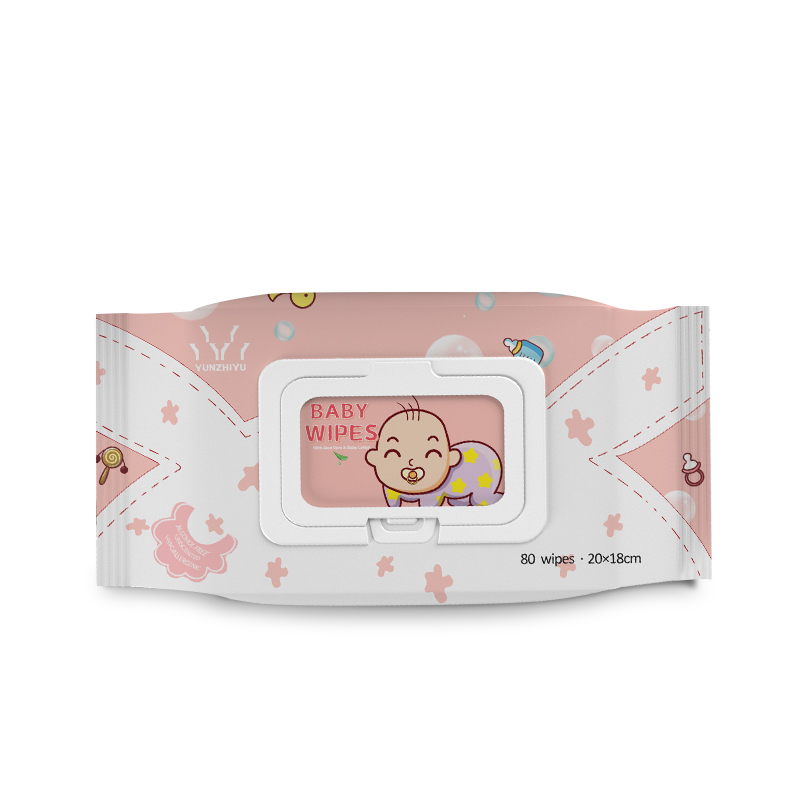
Understanding the infant skin microbiome is crucial. During the first year of life, a baby’s skin barrier is actively developing. It builds a complex ecosystem of microscopic life. Commensal bacteria live naturally on the skin surface. They form a biological shield against aggressive, disease-causing pathogens. Routine use of broad-spectrum sanitizers completely strips away this beneficial layer. This stripping weakens the natural skin barrier permanently.
When you use harsh chemicals on delicate skin, you invite severe dermatological issues. Several common chemical culprits cause significant harm to infants. You must actively check labels to avoid them.
Alcohol (Ethanol/Isopropanol): Alcohol evaporates instantly. This rapid evaporation causes extreme moisture loss. It creates painful micro-tears in the epidermal layer. Applying alcohol to an existing diaper rash causes agonizing stinging.
Quaternary Ammonium Compounds (Quats): Manufacturers heavily use Quats in household sanitizing products. They are aggressive antimicrobial agents. Pediatric dermatologists strongly link them to severe contact dermatitis and long-term skin sensitization in infants.
Triclosan and Triclocarban: Regulatory agencies banned these ingredients in many consumer body washes. However, parents still mistakenly search for them, believing they offer superior protection. They disrupt endocrine functions and severely irritate sensitive tissue.
The implementation reality in the nursery is alarming. Diaper rash fundamentally occurs because of pH imbalance and friction. Urine produces alkaline ammonia. Ammonia aggressively breaks down the slightly acidic skin barrier. Feces introduce digestive enzymes. When you add antibacterial chemicals to this already volatile mix, you create a perfect storm. Applying sanitizers to skin compromised by ammonia drastically increases the risk of severe diaper dermatitis.
Common Mistake: Never repurpose household cleaning products or adult hand sanitizers for diaper changes. The chemical payload is overwhelmingly dangerous for an infant's vulnerable epidermis.
Choosing the right product presents a complex consumer problem. You need a solution offering thorough cleaning power without compromising basic safety. The market floods you with endless options. establishing a strict evaluation framework simplifies the process. By applying three core criteria, you can confidently select the best Baby Wipes for your family.
Demand Ingredient Transparency and Simplicity. Read the back label first. Look for an extremely high water content, ideally 98% or higher. Because standing water breeds dangerous mold, manufacturers must use preservatives. Seek out food-grade preservatives. Look for gentle, plant-derived surfactants like coco-glucoside. These ingredients break surface tension safely.
Assess Material Density and Texture. Do not evaluate a product based solely on the liquid formula. Assess the structural integrity of the fabric itself. A thicker, heavily embossed wipe requires significantly fewer passes over the skin. Fewer passes mean drastically reduced mechanical irritation. Thick fabric effectively grabs and locks away microbial matter instead of spreading it.
Verify Phthalate, Paraben, and Fragrance-Free Claims. Do not blindly trust packaging slogans. Look for transparent third-party testing. Certifications from the Environmental Working Group (EWG) provide massive reassurance. The National Eczema Association (NEA) seal of acceptance guarantees the product passes rigorous dermatological standards.
You must also memorize specific red flags. Avoid products featuring undisclosed "fragrance" blends. Companies legally hide hundreds of irritating chemicals behind the word "fragrance." Watch out for methylisothiazolinone (MI). This aggressive preservative causes severe allergic reactions. Be highly skeptical of high phenoxyethanol concentrations lacking clear safety disclosures.
Evaluation Category | Green Flags (What to Look For) | Red Flags (What to Avoid) |
|---|---|---|
Liquid Base | 98%+ Purified Water | Alcohol, Undisclosed Solvents |
Cleansing Agents | Plant-derived Surfactants (Coco-glucoside) | Harsh Soaps, Triclosan |
Preservatives | Food-grade options, Sodium Benzoate | Methylisothiazolinone (MI), Parabens |
Additives | Aloe, Chamomile, Calendula | Synthetic Fragrance Blends, Dyes |
Modern parenting requires handling messes both at home and on the go. You need different tools for different scenarios. Implementing a segmented diaper bag strategy ensures maximum safety. You keep the baby clean without exposing them to unnecessary chemical risks.
First, dedicate specific products for diapering, faces, and infant hands. For these delicate zones, rely exclusively on standard, thick, water-based cleansing cloths. Their physical removal action handles food spills, dirt, and diaper messes perfectly.
Second, plan for public surfaces. Public changing tables and shopping carts harbor dangerous pathogens. For these hard surfaces, carry EPA-registered surface disinfecting products. Use them aggressively on the plastic or metal. However, you must let the surface dry completely before your baby touches it. The chemical needs dwell time to kill the germs. Once dry, the chemical threat to the baby's skin diminishes significantly.
Third, manage your own hands. After completing a diaper change, your hands carry microbial matter. Use an alcohol-based hand sanitizer or sanitizing gel immediately. Your mature skin barrier handles the alcohol easily. The baby's skin cannot.
Parents often face the frustrating "on-the-go" compromise. What happens when your baby unexpectedly grabs a dirty public surface? Your immediate instinct might be reaching for a sanitizer. Resist this urge. Use a standard Baby Wipe immediately. Vigorously wipe the baby's hands to physically remove the dirt and surface bacteria. This traps the immediate threat. Once you reach a restroom, wash their hands thoroughly using standard soap and warm water. Physical removal always remains the safest emergency response.
The evidence clearly shows standard infant cleansing products are not antibacterial. Prioritizing physical germ removal over chemical killing represents the most medically supported approach for infant skin health. Mechanical friction safely lifts dirt and pathogens away without damaging the developing microbiome. Exposing vulnerable infants to harsh biocides, alcohol, or quaternary ammonium compounds invites severe dermatological complications.
Take immediate action to protect your child's skin barrier. Audit your current diaper bag setup today. Remove any harsh sanitizing products meant for direct skin use. Replace them with high-quality, high-GSM cleansing cloths. Prioritize products offering gentle plant-based surfactants, transparent ingredient lists, and robust third-party safety certifications. By embracing physical removal, you ensure a cleaner, healthier, and far more comfortable environment for your baby.
A: No, they physically remove them from the skin without killing them. They use moisture and mild surfactants to break surface tension. This allows the fabric to lift away dirt, bacteria, and viral particles. Once the microbes are trapped securely in the fabric, you throw them away. Physical removal protects the skin barrier.
A: Absolutely not. These contain extremely harsh pesticides meant exclusively for non-porous hard surfaces. They cause severe chemical burns and contact dermatitis on infant skin. If you use them to disinfect mouthing toys, you must thoroughly rinse the toy with clean water before giving it back to your child.
A: It depends on the fabric thickness and the presence of a mild surfactant. Pure water alone struggles to break down oily residues found in difficult diaper messes. A high-quality cloth needs a tiny amount of gentle cleansing agents alongside thick, textured fabric to effectively grab and remove stubborn grime.
A: Use a standard cleansing cloth to physically remove visible dirt and debris. Avoid applying antibacterial hand sanitizers until the child is older and stops putting hands in their mouth. Infants easily ingest chemical residues left on their skin. Physical removal via mechanical friction is always the safest immediate option.


